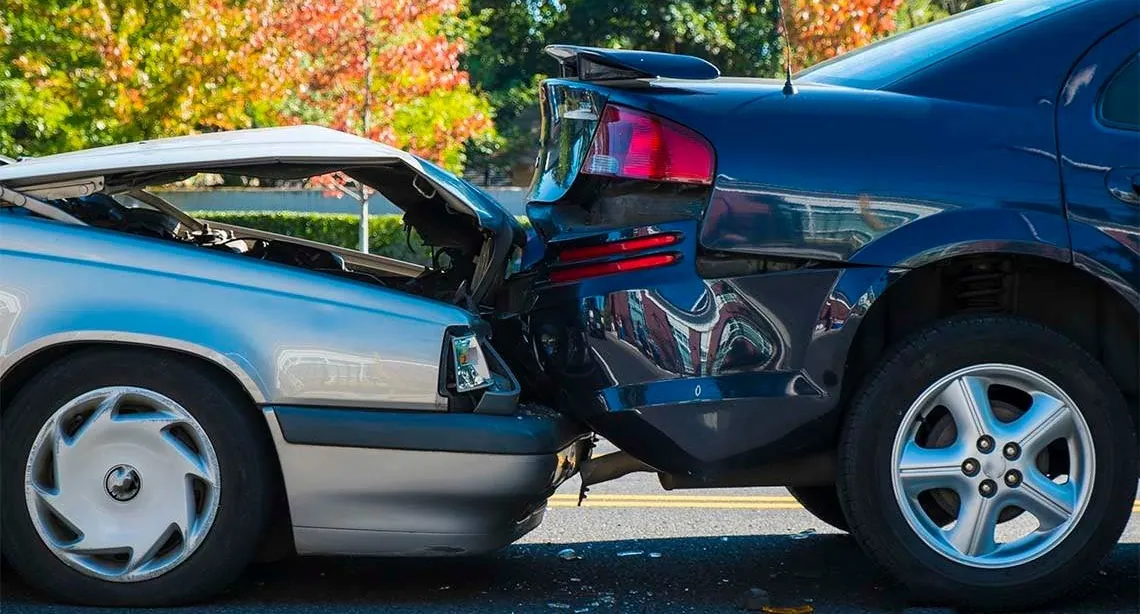

After a car accident in Wisconsin, you might be wondering whether you actually need a lawyer. Maybe the insurance company has already reached out with what sounds like a reasonable offer. Maybe you think your case is straightforward enough to handle on your own.
Here’s what we’ve learned from helping accident victims across Milwaukee and throughout Wisconsin: what seems simple on the surface often isn’t. Insurance companies have teams of adjusters, lawyers, and analysts working to minimize what they pay out. Having someone in your corner who knows how to fight back can make all the difference in your recovery.
So what does a car accident lawyer do, exactly? Let’s break it down.
Investigating Your Accident
In 2023, Wisconsin saw over 124,627 reportable traffic crashes, according to the National Highway Traffic Safety Administration, with thousands resulting in serious injuries.A thorough investigation is the foundation of any strong car accident claim. Your attorney starts by gathering every piece of evidence that could support your case.
This means obtaining the official police report from the responding Wisconsin law enforcement agency, whether that’s the Milwaukee Police Department, a county sheriff’s office, or the Wisconsin State Patrol. But your lawyer doesn’t just accept the report at face value. They review it for accuracy, identify witnesses who may not have been interviewed, and note any details that could strengthen your claim.
Evidence can disappear quickly after an accident. Surveillance footage from nearby businesses gets recorded over. Skid marks fade. Witnesses’ memories become less reliable. An experienced attorney moves fast to preserve critical evidence, including traffic camera footage, cell phone records that might prove distracted driving, and vehicle “black box” data that shows speed and braking patterns before impact.
When needed, your lawyer may bring in accident reconstruction experts who can analyze the scene and explain exactly how the collision happened. This kind of expert testimony can be especially valuable in disputed liability cases or crashes involving multiple vehicles.
Handling All Communication with Insurance Companies
Insurance adjusters are trained professionals with one primary goal: paying out as little as possible on every claim. They know the tactics that work. They’ll call you shortly after the accident, while you’re still in pain and possibly on medication, hoping you’ll say something they can use against you later.
When you hire a car accident lawyer, all communication goes through them. This protects you from making innocent statements that could be twisted to reduce your compensation. “I’m feeling okay” becomes evidence that your injuries weren’t serious. “I didn’t see them coming” becomes an admission that you weren’t paying attention.
Your attorney’s role here is critical: they know how to respond to requests for recorded statements, medical authorizations, and settlement offers. They understand what information the insurance company actually needs versus what they’re fishing for to use against you.
Calculating the True Value of Your Claim
One of the biggest mistakes accident victims make is accepting a settlement before they understand the full extent of their damages. The insurance company’s first offer is designed to close your claim quickly and cheaply.
A car accident lawyer calculates your claim’s actual value by accounting for all your damages, not just the obvious ones. This includes your current medical bills, anticipated future medical expenses for ongoing treatment or therapy, lost wages from time off work, reduced earning capacity if your injuries affect your ability to do your job long-term, property damage to your vehicle, and pain and suffering.
Wisconsin law allows accident victims to recover compensation for both economic damages, which are the measurable financial losses, and non-economic damages like physical pain, emotional distress, and loss of enjoyment of life. Your attorney understands how Wisconsin courts evaluate these damages and can present your claim in a way that reflects your true losses.
Not sure what your case might be worth? Our free case evaluation can give you a realistic assessment with no obligation. Contact us today.
Navigating Wisconsin’s Car Accident Laws
Every state handles car accident claims differently, and Wisconsin has specific rules that directly affect your case.
Wisconsin follows a modified comparative negligence rule under Wis. Stat. § 895.045. This means you can still recover compensation even if you were partially at fault for the accident, as long as your fault doesn’t exceed 50%. However, your compensation gets reduced by your percentage of fault. If you’re found 20% responsible for the crash, your award gets reduced by 20%.
Insurance companies often try to shift blame onto accident victims to reduce what they have to pay. Your attorney knows how to counter these arguments and fight for an accurate determination of fault.
This is where local legal expertise makes the difference. This intimate comprehension of the state’s statutes ensures the best outcome for your case. Wisconsin also has a three-year statute of limitations for personal injury claims. Miss this deadline, and you typically lose your right to compensation entirely. While three years might seem like plenty of time, building a strong case takes months. Starting early gives your lawyer the best chance to thoroughly investigate, gather evidence, and negotiate from a position of strength.
Negotiating Your Settlement
Most car accident cases settle without going to trial. But reaching a fair settlement takes skill, preparation, and persistence.
Your attorney builds a comprehensive demand package documenting your injuries, treatment, losses, and the impact on your life. This isn’t just a stack of medical bills. It’s a persuasive presentation that tells your story and justifies the compensation you’re seeking.
Here’s how your attorney fights for maximum compensation. When the insurance company responds with a low offer, and they almost always do, your lawyer negotiates. They counter with evidence and arguments. They know when to push harder and when a fair offer is on the table. And because they’re prepared to take your case to trial if necessary, the insurance company knows they can’t just wait you out.
Taking Your Case to Court When Necessary
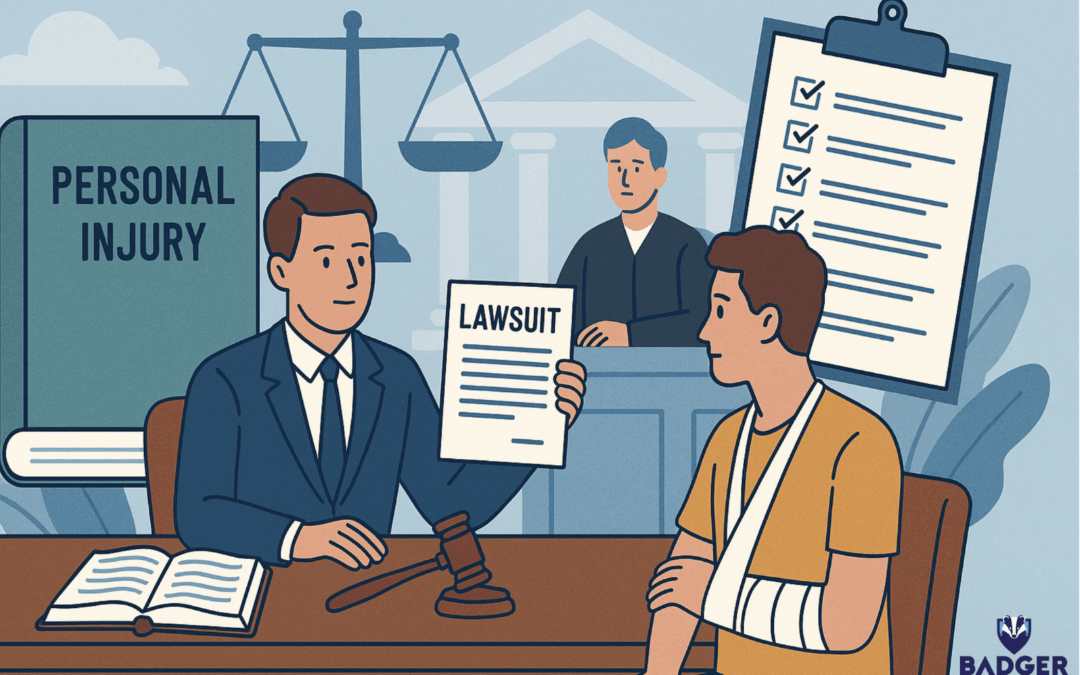
Sometimes insurance companies refuse to offer fair compensation. When negotiations stall, your attorney files a lawsuit and prepares for trial.
In Wisconsin, car accident lawsuits are typically filed in the circuit court of the county where the accident occurred or where the defendant lives. For accidents in Milwaukee, Waukesha, Racine, or surrounding areas, your case would be heard in the respective county’s circuit court.
Going to trial means handling complex procedural requirements, selecting a jury, presenting evidence, examining witnesses, and making compelling arguments to the court. It’s not something you want to navigate alone, and it’s not something insurance companies take lightly when they know you have experienced representation.
Coordinating Your Medical Care and Bills
Car accident injuries often require ongoing medical treatment. Your attorney helps coordinate the financial side of your care so you can focus on healing.
This might include working with medical providers who agree to treat you on a lien basis, meaning they wait for payment until your case resolves. It means managing medical payment coverage under your own auto insurance policy. It means ensuring that health insurance subrogation claims, where your health insurer seeks reimbursement from your settlement, are handled properly and reduced when possible.
Your lawyer also makes sure you’re getting the treatment you need to support your claim. Insurance companies look for gaps in treatment as evidence that your injuries aren’t serious. Consistent, documented medical care strengthens your case.
How Car Accident Lawyers Get Paid
At Badger Injury Law, we work on a contingency fee basis. That means you pay nothing upfront to hire us and nothing out of pocket while your case is pending. We only get paid if we win compensation for you.
You might be wondering about legal fees:
Our “no win, no fee” arrangement means we’re fully invested in your success. If we don’t recover money for you, we don’t get paid. It also means that quality legal representation is accessible to everyone, not just those who can afford hourly attorney fees during an already difficult time.
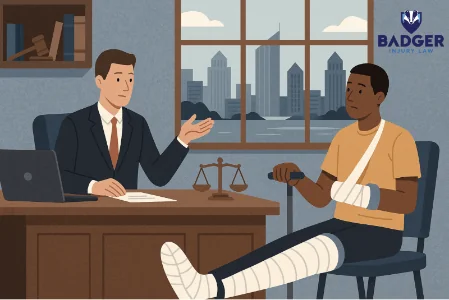
The initial consultation is free. We’ll review your accident, explain your legal options, and give you an honest assessment of your case. There’s no obligation and no pressure.
When Should You Contact a Car Accident Lawyer?
The short answer: as soon as possible after your accident. Evidence disappears. Memories fade. The statute of limitations clock is ticking. And insurance companies are already working on their strategy to minimize your claim.
You should definitely talk to a lawyer if you suffered injuries that required medical treatment, the other driver was uninsured or underinsured, there’s a dispute about who was at fault, the insurance company is delaying or denying your claim, or you’re being pressured to accept a quick settlement.
Even if your situation seems straightforward, a consultation can help you understand what your claim might be worth and whether you’re being offered fair compensation.
Badger Never Backs Down
At Badger Injury Law, we believe that accident victims deserve fierce advocacy. Insurance companies have teams of professionals protecting their interests. You deserve someone fighting just as hard for yours.
We handle every aspect of your car accident claim so you can focus on what matters most: recovering from your injuries and getting your life back on track. From investigating your accident to negotiating with insurance companies to taking your case to trial if that’s what it takes, we’re with you every step of the way.
If you’ve been injured in a car accident anywhere in Wisconsin, contact us today for a free consultation. We’ll review your case, explain your options, and help you understand what comes next.