
How Wisconsin Laws Affect Rideshare Accidents
Ridesharing services like Uber and Lyft have revolutionized personal transportation in Wisconsin, making travel more affordable and convenient than ever before.
Yet with this convenience comes a new set of legal complexities when accidents occur—particularly regarding liability, insurance, and passenger rights.
This comprehensive guide explains how Wisconsin laws shape the aftermath of rideshare accidents, the protections available to injured parties, and the unique steps required to secure compensation.
Understanding Liability in Uber & Lyft Accidents Compared to Regular Accidents
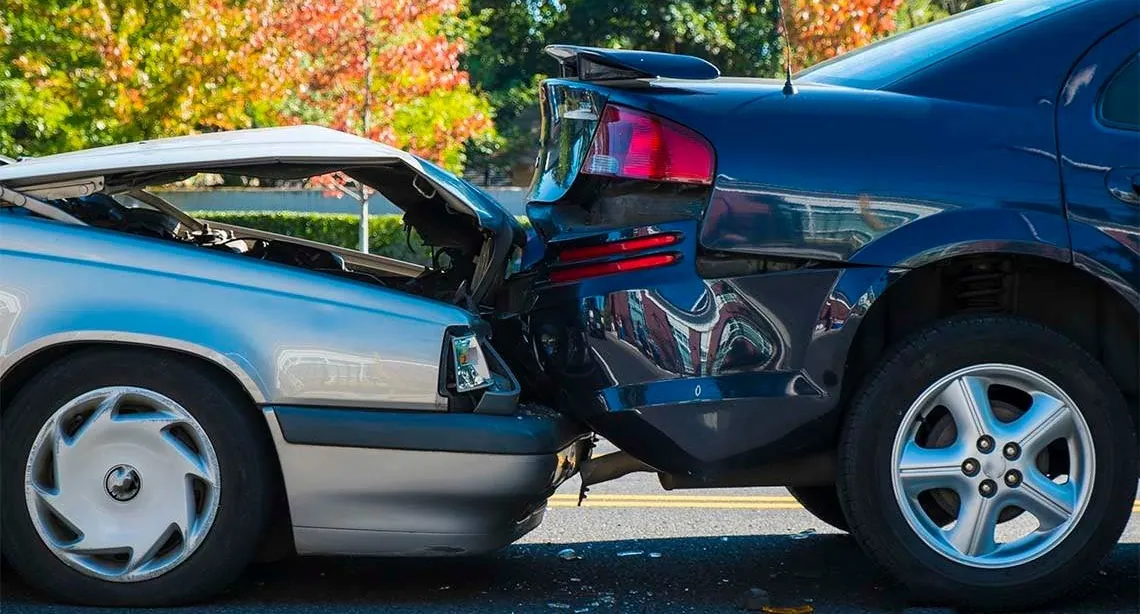
Liability in rideshare accidents often differs significantly from liability in traditional car accidents.
In a typical Wisconsin traffic collision, fault is assigned to one or more drivers, and the at-fault driver’s auto insurance is generally responsible for covering injuries, medical bills, and property damage.
The process is clear-cut: file a claim with the insurer, negotiate, and, if necessary, pursue litigation.
However, rideshare accidents introduce far more complexity. Uber and Lyft drivers are classified as independent contractors rather than employees; this distinction changes how, when, and whose insurance policies apply. In a crash involving an Uber or Lyft, several questions arise:
- Was the driver actively working when the accident happened?
- Which insurance policy was in effect at the time—personal or company-provided?
- Is the rideshare company liable, or is responsibility limited to the driver?
Wisconsin law mandates that rideshare companies and their drivers each maintain insurance coverage, but the levels and types of coverage vary depending on the driver’s status in the app at the time of the accident.
Passengers and third parties (such as other motorists, cyclists, or pedestrians) may find it daunting to determine which insurance policy covers their injuries.
This complexity makes rideshare accident claims fundamentally different from regular auto accidents.
The Complexities of Insurance Coverage for Rideshare Accidents
At the heart of most rideshare accident disputes is the insurance coverage matrix established by Wisconsin law and the policies held by Uber and Lyft. Depending on the driver’s activity, multiple layers of coverage may apply:
Period 0: App Off
If the rideshare app is completely off, the driver is considered off-duty. Only their personal auto insurance applies—often with coverage minimums of $25,000 for bodily injury per person, $50,000 for bodily injury to multiple people, and $10,000 for property damage. Most personal policies have business use exclusions, which may create gaps if the vehicle is being used commercially.
Period 1: App On, Waiting for Ride Request
When the driver is logged in but not actively transporting a passenger, Wisconsin law requires rideshare companies to provide at least $50,000 coverage for bodily injury per person, $100,000 for total bodily injury per accident, and $25,000 for property damage. The driver’s own insurance applies first, but company coverage is available if needed.f
Period 2–3: En Route to Pickup or Transporting Passenger
After a driver accepts a ride request—whether en route or actively transporting a passenger—Wisconsin mandates increased coverage: at least $1,000,000 for bodily injury, death, and property damage.
This high-limit coverage is particularly important for passengers involved in serious accidents; it also includes uninsured and underinsured motorist protections.
Additional Requirements and Coverage
Recent Wisconsin legislation requires that rideshare companies make insurance policy details available to drivers and passengers on reasonable request, supporting transparency and confidence in claims resolutions.
What Are Your Rights as an Injured Passenger in an Uber or Lyft Accident?
As a rideshare passenger involved in an accident in Wisconsin, the law generally considers you an “innocent passenger,” eligible for compensation regardless of which driver was at fault.
The process typically involves filing a claim against the at-fault party’s insurance—but if that coverage is lacking, Uber or Lyft’s policy steps in to cover excess damages.
Key rights for injured rideshare passengers in Wisconsin include:
- Access to High-Limit Insurance: During active rides, $1 million coverage applies for injuries and damages.
- Uninsured/Underinsured Motorist Protection: If the at-fault driver is uninsured or underinsured, rideshare company coverage will fill the gap.
- Comparative Negligence Law: Wisconsin’s system allows you to recover damages even if partially at fault, so long as your share of fault doesn’t exceed 50%. Under Wisconsin’s comparative negligence statute (Wis. Stat. § 895.045), you may still recover damages if you’re less than 51% at fault for the accident.
- Three-Year Statute of Limitations: Wisconsin law provides a three-year window to file a personal injury claim, but acting quickly is essential for gathering needed evidence and preserving your rights.
Legal Options for Injured Rideshare Passengers
When you’re hurt in a rideshare accident, prompt action is critical. Wisconsin rideshare injury laws are designed to protect passengers, but the claims process is often more complex than with standard accidents. Here’s what you need to know and do:
Immediate Steps After an Accident
- Call 911 and seek medical attention.
- Document the scene—collect photos, witness contact info, and save screenshots of your ride.
- Report the crash directly to Uber or Lyft through the app
- Consult with a rideshare attorney before discussing your claim with insurance adjusters.
Claim Filing and Potential Lawsuits
- File your claim with the appropriate insurer, depending on accident circumstances.
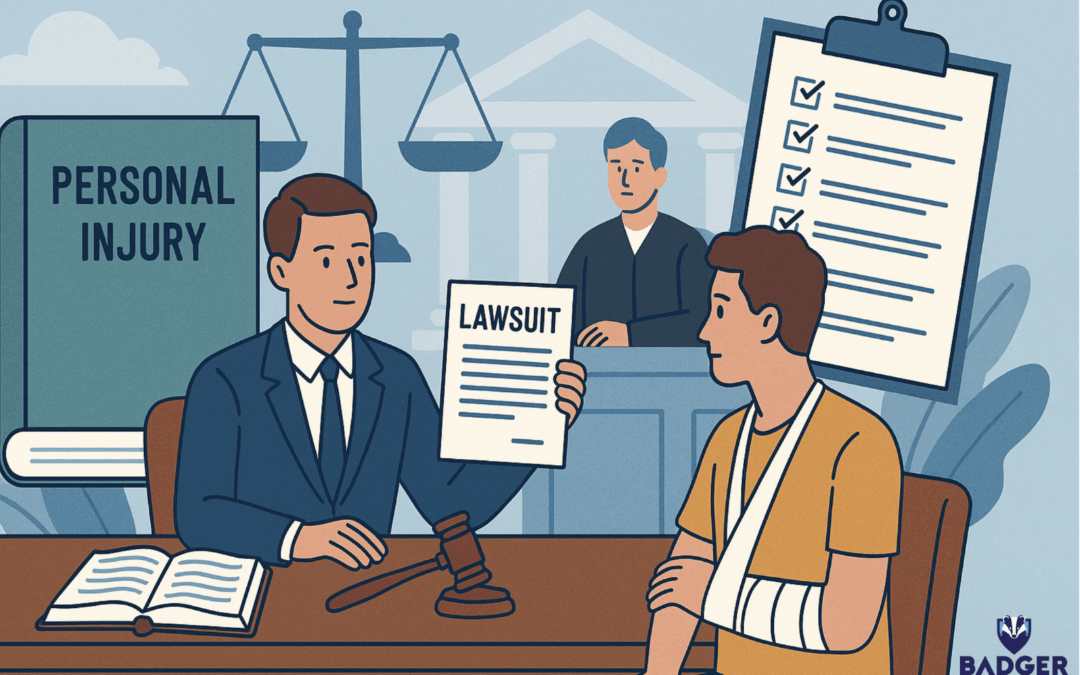
- If company insurance or that of the at-fault driver fails to cover your damages adequately, Wisconsin law allows you to pursue additional compensation through a lawsuit.
- If the rideshare company’s negligence contributed to the accident (such as poor driver vetting), you may have grounds to sue Uber or Lyft directly.
Maximizing Compensation
Rideshare accident claims may include reimbursement for:
- Medical bills, lost income, and rehabilitation costs.
- Pain and suffering, emotional distress.
- Wrongful death claims for surviving dependents.
- Disability or loss of future earning capacity.
Protecting Your Rights—Contact Legal Counsel Now
Wisconsin law and rideshare insurance rules are complex, and insurance companies often seek to minimize payouts. An experienced Wisconsin rideshare accident attorney will review all coverage sources, assign liability, and fight for maximum compensation on your behalf.
Don’t wait—secure a free, no-obligation case review as soon as possible after an Uber or Lyft accident.
If you or a loved one is recovering from a Wisconsin rideshare accident, don’t navigate these legal complexities alone.
Contact an experienced rideshare accident attorney today for a free consultation and dedicated representation that can help ensure you receive every dollar you deserve.
Rideshare accidents in Wisconsin present unique legal challenges. Whether you’re an injured passenger, driver, or third party, understanding how liability is determined, what coverage applies, and what rights you hold is essential to protecting your interests.
Prompt legal action, documentation, and consultation with a qualified attorney are the keys to securing fair compensation and moving forward after a traumatic event.
The laws supporting rideshare accident victims in Wisconsin are strong—but only effective if you use them. Act quickly, assert your rights, and seek expertise to maximize your recovery under Wisconsin law.
FAQ About Rideshare Accidents
Who has safer drivers, Uber or Lyft?
Recent data shows Uber has a 31% lower motor vehicle fatality rate compared to Lyft, although Uber drivers have a higher rate of reported physical assaults than Lyft drivers. Both companies employ robust safety features, including thorough background checks, zero-tolerance drug and alcohol policies, and in-app panic buttons.
Uber tends to offer more frequent continuous screening and monitoring, while Lyft emphasizes strong user-facing safety tools and ride sharing. Overall, more than 99.99% of rides on either platform occur without a safety incident, making both options relatively safe, but Uber has a slight advantage in terms of crash rates based on available statistics.
How common are Rideshare Accidents?
Rideshare accidents are on the rise, with reports indicating thousands of incidents each year as Uber and Lyft vehicles now account for a significant share of traffic. One recent study found that about one-third of rideshare drivers have been involved in a car crash while working, and rates of non-fatal crashes are much higher among rideshare vehicles compared to the general driver population.
However, most rideshare trips are completed safely. Urban areas with heavy rideshare use experience disproportionately more accidents, partially due to distractions, long hours, and unfamiliar roads.
What happens if you get in an accident while riding Lyft or Uber?
If you’re involved in a crash as a passenger, your well-being and safety should come first. Call 911 and get medical attention if necessary. Document the scene, take photos, and gather driver and witness contact information.
Notify Uber or Lyft through their respective apps. Both companies offer insurance coverage of up to $1 million for injuries to passengers during active rides. The exact claims process depends on the app status at the time and who is at fault—compensation may be through the personal insurer of the at-fault driver or the rideshare company’s policy.
You should avoid speaking to insurance adjusters directly and consult an experienced attorney if injuries or complex issues arise.